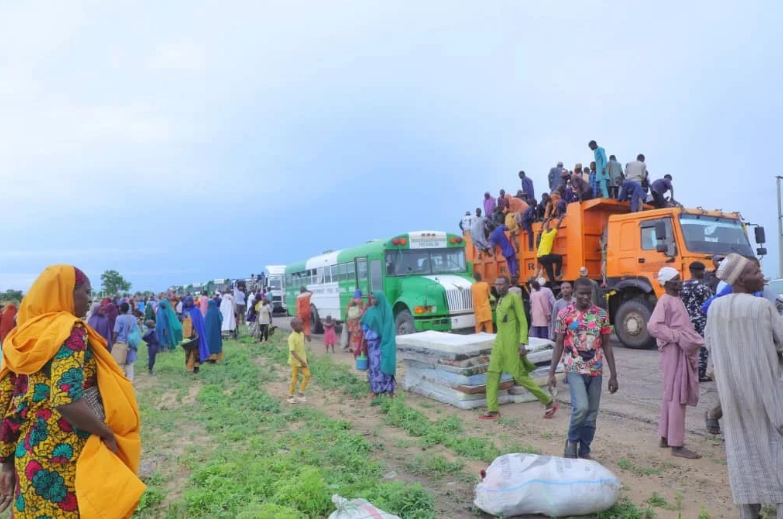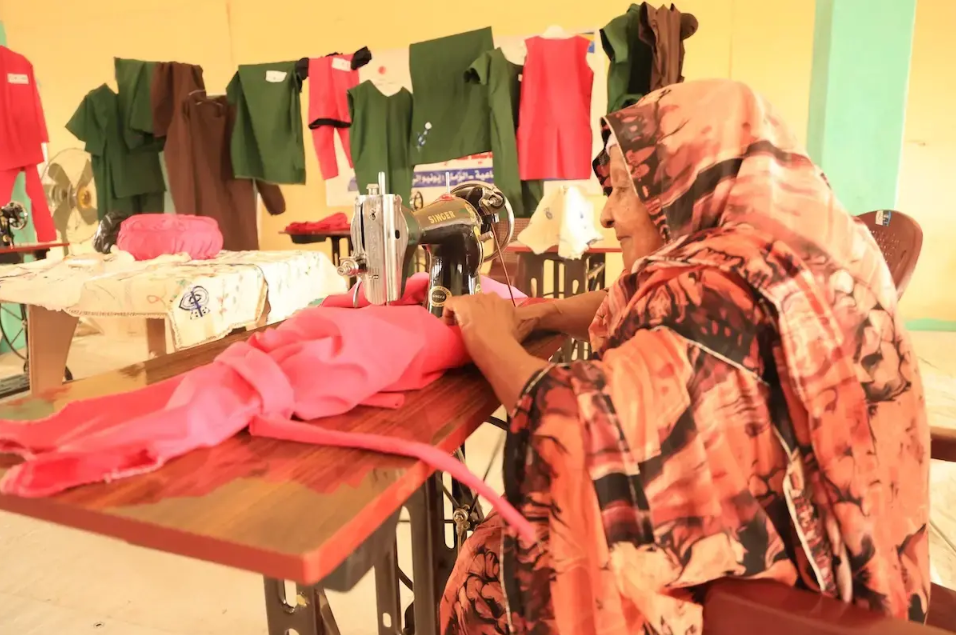
Displacement can disrupt nearly every aspect of a person's life. When individuals and families are forced to leave their homes, they may lose access to employment, businesses, education, productive assets, social networks, and other sources of income. While immediate humanitarian assistance is essential, sustainable recovery requires more than meeting short-term needs.
Empowerment, skills development, livelihood opportunities, and self-reliance can help displaced communities regain stability, restore their independence, and build a stronger future.
For institutions working with refugees, migrants, returnees, and internally displaced persons (IDPs), the goal should increasingly be to support people not only as beneficiaries of assistance, but also as active participants in rebuilding their lives and communities.
What Does Empowerment Mean in Displacement Settings?
Empowerment involves creating opportunities for displaced people to develop the knowledge, skills, resources, and confidence needed to make decisions and improve their living conditions.
For displaced communities, empowerment can take many forms, including:
Vocational and technical skills training
Entrepreneurship development
Financial literacy
Access to employment and income-generating activities
Agricultural and livelihood support
Education and professional development
Access to markets and business networks
Support for women and young people
Community participation and leadership
These interventions can help people transition from dependence on emergency assistance toward greater economic and social independence.
Why Livelihoods Matter
A livelihood is more than simply having a job. It includes the capabilities, assets, activities, and opportunities people use to support themselves and their families.
Displacement can severely affect these resources. A farmer may lose access to farmland. A business owner may leave behind equipment and customers. A skilled worker may arrive in a new community without the networks or documentation needed to find employment.
Providing livelihood opportunities can therefore play an important role in helping displaced people recover.
When people can earn an income, they are better positioned to meet household needs, access education and healthcare, contribute to their communities, and plan for the future.
Skills Development as a Pathway to Self-Reliance
Skills development can provide displaced individuals with practical tools for rebuilding their economic lives.
Training programmes can focus on skills that respond to both the interests of participants and opportunities available in local markets. These may include:
Tailoring and fashion design
Agriculture and agro-processing
Catering and food production
ICT and digital skills
Construction and technical trades
Beauty and personal care services
Handicrafts and creative industries
Small business management
Financial management
However, effective skills development should go beyond simply teaching a technical skill.
Participants may also need training in entrepreneurship, financial literacy, customer management, marketing, digital tools, and business planning. These complementary skills can make it easier for individuals to turn what they have learned into sustainable economic activity.
Supporting Women and Young People
Women and young people can face particular challenges during displacement, but they can also play an important role in strengthening household and community resilience.
For women, livelihood and entrepreneurship programmes can create opportunities to generate income, strengthen financial independence, and contribute to household decision-making.
Young people can benefit from vocational training, digital skills, entrepreneurship, apprenticeships, and other pathways into employment.
Empowerment programmes should therefore consider the different circumstances and needs of participants rather than applying a single approach to everyone.
From Training to Economic Opportunity
One of the challenges of livelihood programmes is ensuring that training leads to real opportunities.
Completing a skills programme does not automatically guarantee employment or a sustainable business. Participants may still need:
Start-up support
Access to tools and equipment
Mentorship
Access to finance
Business networks
Market information
Customer connections
Continued technical support
This means that successful empowerment programmes should consider the entire pathway from training to income generation.
For example, a participant trained in food processing may require equipment, packaging knowledge, business planning, access to markets, and financial management skills before the training can translate into a sustainable enterprise.
Financial Literacy and Responsible Money Management
Financial literacy is another important component of self-reliance.
Displaced individuals who begin earning an income or operating a small business need to understand how to manage their resources effectively. Basic financial knowledge can help participants understand:
Budgeting
Saving
Managing business expenses
Pricing products and services
Separating personal and business finances
Understanding credit and financial obligations
Planning for future investments
These skills can help individuals make informed financial decisions and improve the sustainability of their livelihoods.
The Role of Community and Local Markets
Empowerment is most effective when it connects individuals to the communities and markets around them.
Displaced people often live alongside host communities, creating opportunities for economic interaction, collaboration, and shared development.
Livelihood programmes can strengthen these relationships by supporting activities that benefit both displaced and host populations.
This can include joint training programmes, cooperative businesses, market linkages, community enterprises, and other initiatives that encourage economic participation and social cohesion.
Self-Reliance and Durable Solutions
Self-reliance is closely connected to the search for durable solutions to displacement.
A person who has access to sustainable income, education, healthcare, housing, social networks, and opportunities to participate in community life is better positioned to rebuild a stable future.
NCFRMI's mandate includes supporting refugees, migrants, internally displaced persons, and other persons of concern through protection, assistance, empowerment, and durable solutions. Its approach recognizes the importance of helping affected populations move toward sustainable and dignified living conditions. NCFRMI Official Website
Durable solutions may involve voluntary return and reintegration, local integration, resettlement, or other pathways that allow displaced people to rebuild their lives safely and sustainably.
Economic empowerment can support these pathways by strengthening people's ability to participate meaningfully in their communities and provide for themselves and their families.
Partnerships Make Empowerment Possible
Building sustainable livelihoods requires collaboration.
Government institutions, humanitarian organizations, development partners, NGOs, private-sector organizations, financial institutions, training providers, and local communities can each contribute different resources and expertise.
Partnerships can help provide:
Technical and vocational training
Funding and financial services
Business mentorship
Employment opportunities
Market access
Entrepreneurship support
Infrastructure
Community-based programmes
Strong coordination also helps ensure that interventions complement one another and respond to the actual needs of displaced and host communities.
Measuring Success Beyond the Number of People Trained
The success of an empowerment programme should not be measured only by how many people completed training.
More meaningful indicators may include:
How many participants obtained employment?
How many started or expanded businesses?
How many businesses remained operational?
Did household income improve?
Did participants gain access to markets?
Did participants become more financially independent?
Did women and young people gain greater economic participation?
Did the programme strengthen relationships between displaced and host communities?
These questions help shift the focus from activities completed to lives improved.
Building Communities That Can Thrive
Empowering displaced communities is ultimately about creating pathways toward independence, dignity, and opportunity.
Humanitarian assistance remains vital during crises, but sustainable recovery requires people to have the tools and opportunities to rebuild their lives. Skills development, livelihoods, entrepreneurship, financial literacy, education, and access to markets can all contribute to that process.
The most effective approach is one that recognizes the abilities and aspirations of displaced people, involves them in decisions affecting their lives, connects training to real economic opportunities, and strengthens the capacity of communities to recover together.
Conclusion
Displacement does not erase people's skills, ambitions, or potential.
With the right support, displaced individuals can become entrepreneurs, professionals, farmers, artisans, community leaders, and contributors to the economies and communities in which they live.
Empowerment therefore represents more than providing assistance. It is about creating opportunities for people to regain control of their futures, build sustainable livelihoods, and achieve greater self-reliance.
For Nigeria's displacement response, investing in people is an investment in stronger families, resilient communities, and more sustainable solutions.
Comments (0)

Categories
Recent posts
Empowering Displaced Communities: ...
16 Aug 2026