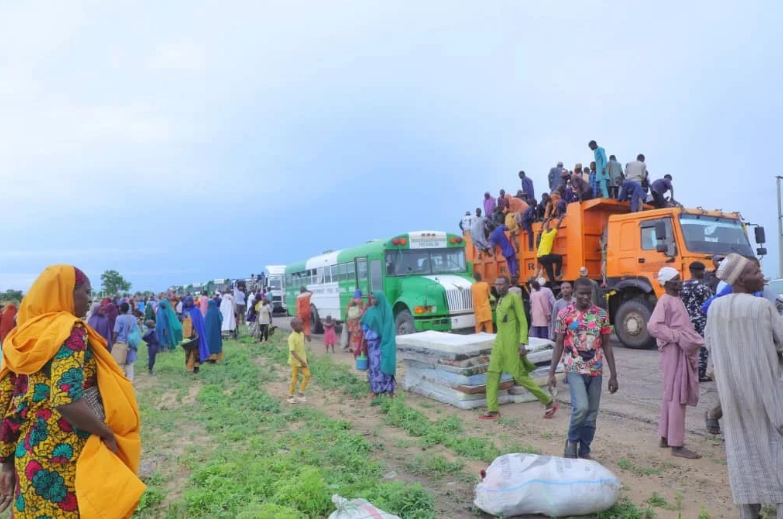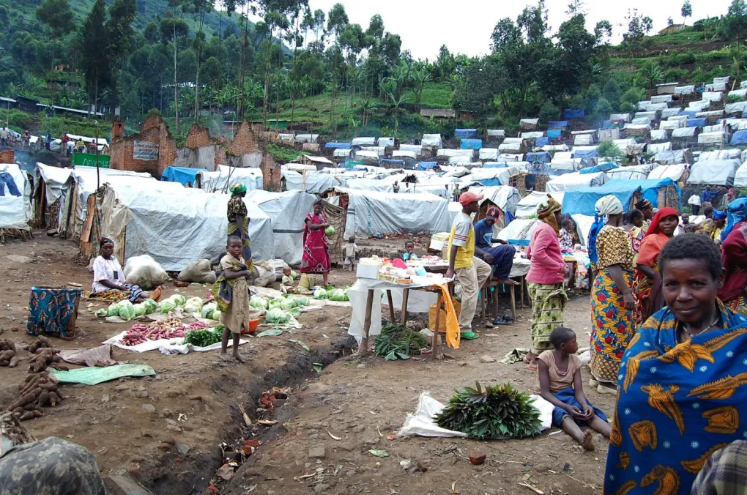
Forced displacement is one of the most significant humanitarian and development challenges affecting communities across Nigeria. Conflict, insecurity, communal violence, natural hazards, and other circumstances can force individuals and families to leave their homes in search of safety and stability.
Understanding who these people are, why they become displaced, and what protection and assistance they need is essential for building effective humanitarian responses and sustainable solutions.
What Is Forced Displacement?
Forced displacement occurs when people are compelled to leave their homes or places of habitual residence because of circumstances that threaten their safety, security, or ability to live normally.
Unlike voluntary migration, where individuals may choose to relocate for employment, education, family, or other reasons, forced displacement is driven by circumstances that leave people with little or no safe alternative.
In Nigeria, displacement has been linked to conflict and insecurity, including insurgency, communal violence, banditry, farmer-herder conflicts, and disasters. The scale and nature of displacement can vary significantly from one region and community to another.
As of 1 July 2026, UNHCR's Nigeria data portal reported approximately 3.84 million forcibly displaced people, comprising about 3.71 million internally displaced persons, 140,362 refugees and asylum-seekers, and 3,539 refugee returnees.
These figures demonstrate why effective protection, assistance, coordination, and long-term solutions remain important.
Refugees, Migrants and Internally Displaced Persons: What Is the Difference?
Although the terms are sometimes used interchangeably, they describe different situations.
Refugees
A refugee is a person who has been forced to leave their country because of conflict, persecution, or other circumstances that threaten their safety and who is unable or unwilling to return because of those risks.
Nigeria is both a country of origin and a host country for refugees. For example, Nigeria hosts refugees and asylum-seekers, including people who have fled violence in neighbouring Cameroon.
Refugees may require protection, documentation, shelter, healthcare, education, livelihood opportunities, and other forms of assistance while they are away from their country of origin.
Internally Displaced Persons
Internally displaced persons, commonly known as IDPs, are people who have been forced to flee their homes but remain within the borders of their own country.
This distinction is important. Unlike refugees, IDPs have not crossed an international border. They remain under the protection and responsibility of their own government.
In Nigeria, internal displacement has been particularly associated with conflict and insecurity in parts of the North-East and other affected regions. IDPs may live in formal camps, informal settlements, host communities, or other locations where they seek safety and access to basic services.
Migrants
Migration is broader than forced displacement. A migrant is generally a person who moves from one place to another, either within a country or across international borders, for a variety of reasons.
Migration may be voluntary, such as moving for employment or education, or it may occur under difficult or vulnerable circumstances. This is why understanding the specific circumstances of each individual is important when designing migration and protection responses.
Why Protection Matters
Displacement can expose people to multiple vulnerabilities. Leaving home can mean losing access to housing, livelihoods, education, healthcare, documentation, social networks, and personal possessions.
Children, women, older persons, persons with disabilities, and other vulnerable groups may face additional risks during displacement.
Effective protection therefore goes beyond providing immediate material assistance. It involves safeguarding people's rights, safety, dignity, and access to essential services while helping them recover and rebuild their lives.
For this reason, responses to displacement require coordination among government institutions, humanitarian organizations, development partners, host communities, and other stakeholders. NCFRMI itself emphasizes partnerships and collaboration as important to addressing the complex needs of refugees, migrants, and IDPs.
From Humanitarian Assistance to Sustainable Solutions
Emergency assistance is often necessary when people first become displaced. However, displacement responses should also consider what happens after the immediate crisis.
People need opportunities to regain stability, restore livelihoods, access education and healthcare, reconnect with their communities, and rebuild their futures.
This is where durable solutions become important. NCFRMI describes durable solutions as approaches that enable displaced persons to rebuild their lives in a safe, dignified, and sustainable manner.
Depending on individual circumstances, solutions can include:
Voluntary return and reintegration
Local integration
Resettlement
Sustainable relocation
Livelihood and skills development
Access to education and essential services
Community-based support and social cohesion
NCFRMI's work includes initiatives aimed at moving displaced populations toward more sustainable living conditions. For example, the Commission has undertaken resettlement initiatives designed to transition families from temporary displacement toward safer and more permanent communities.
The Importance of Empowerment and Self-Reliance
Sustainable displacement responses should not only focus on what displaced people need—they should also recognize their capabilities, skills, aspirations, and potential contributions to society.
Access to vocational training, entrepreneurship opportunities, financial literacy, education, and livelihood programmes can help displaced individuals regain independence and strengthen their ability to support themselves and their families.
NCFRMI identifies empowerment as a key pillar in supporting refugees, migrants, and IDPs, with its programmes focused on providing people with the skills and opportunities needed to rebuild their lives and achieve greater self-reliance.
Building a More Inclusive Response
Addressing forced displacement is not the responsibility of a single organization. It requires a coordinated approach that brings together government agencies, humanitarian organizations, development partners, communities, civil society, and the private sector.
Host communities are also an important part of this process. When displaced populations and host communities have access to appropriate services, livelihood opportunities, infrastructure, and meaningful participation, the conditions for social cohesion and sustainable integration can improve.
Ultimately, an effective response should move beyond simply managing displacement toward protecting people, restoring dignity, strengthening self-reliance, and creating pathways to lasting solutions.
Conclusion
Forced displacement in Nigeria is a complex issue involving refugees, asylum-seekers, migrants, internally displaced persons, returnees, host communities, and numerous institutions working to address their needs.
Understanding the differences between these groups is the first step toward developing appropriate protection and assistance. The next step is ensuring that responses are coordinated, rights-based, inclusive, and focused not only on immediate humanitarian needs but also on long-term recovery and sustainable solutions.
Through protection, empowerment, partnerships, and durable solutions, Nigeria can continue working toward a future in which displaced people are able to rebuild their lives with safety, dignity, opportunity, and hope.
Related Learning: Explore NCFRMI learning resources on refugee protection, migration management, internally displaced persons, humanitarian response, empowerment, and durable solutions.
Comments (0)

Categories
Recent posts
Empowering Displaced Communities: ...
16 Aug 2026